
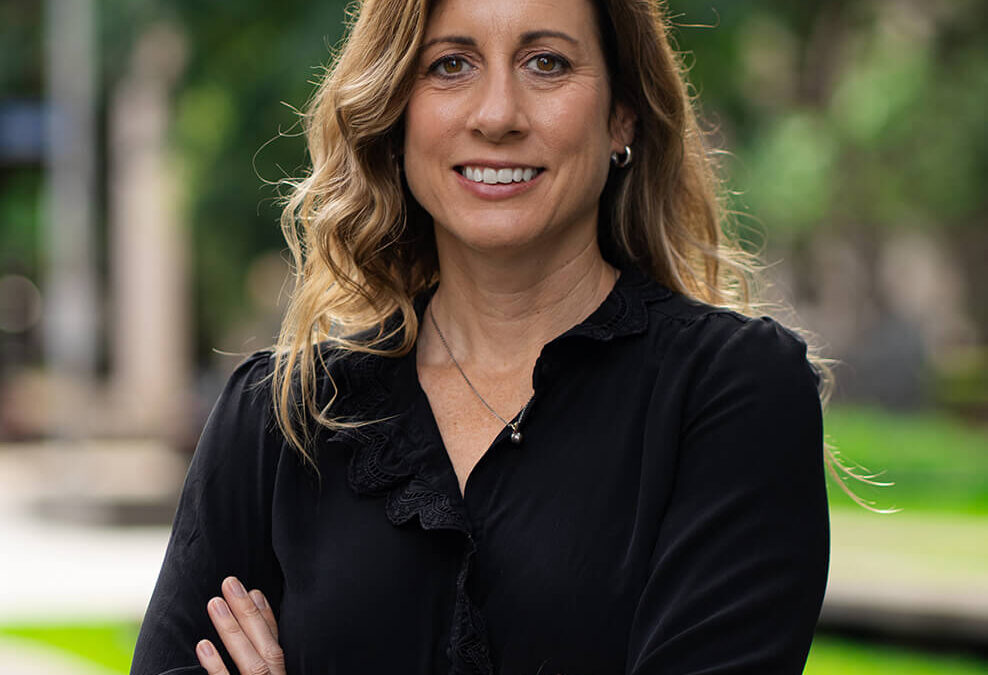
Olomana Loomis Expands Crisis Comms Practice with Addition of Kristen Hahn
No organization can completely avoid issues that may become a crisis. But organizations can be better prepared for how they respond when those moments happen. Preparation matters because in a crisis, decisions move faster, public attention intensifies, and trust can be strengthened or lost in real time.
That’s why we’re adding Kristen Hahn to our crisis communications practice.
Kristen joins us after a distinguished career as a Commander in the United States Coast Guard, where she operated in environments where decisions had to be made quickly, information had to be clear, and the stakes were measured in human and maritime impact. She has led amid complexity, managed competing priorities, and communicated under pressure when there was no room for hesitation.
She joins a senior team that includes Carole Tang, Liane Hu Okumura, and Alan Tang. Together, this group brings decades of experience advising organizations through moments that test leadership, judgment, and trust.
And that experience spans industries where the cost of disruption is immediate and visible. We’ve worked alongside leaders in financial services, healthcare systems, utilities, land development, private and independent schools, nonprofit organizations, and public sector agencies – helping them manage reputational risk and protect trust while maintaining continuity of operations. The issues and environments differ, but the challenge is the same.
What Kristen adds is important. Her experience isn’t built in conference rooms. It’s built in the field. She understands what it means to manage information flow when critical situations are evolving by the minute, to align leaders who may be seeing the situation differently, and to communicate in a way that people trust and can rely on.
That kind of experience changes how you approach crisis work.
As a team, we now bring together operational leadership from high-stakes environments, deep strategic communications experience across industries and sectors, and a strong focus on leadership alignment. We spend a lot of time helping organizations close the gap between decision-making and what actually gets communicated because that gap is where breakdowns can happen and negative perceptions can take hold.
Our work sits at the intersection of reputational risk and business continuity. In a real crisis, those two are inseparable. Decisions made in the first hours affect not only what stakeholders inside and outside your organization believe, but also what they say and do, and how quickly your operations can recover without further disruption.
To prepare our clients, we lead their teams through tabletop exercises that are designed to feel real. Not theoretical discussions, but crisis communications scenarios that expose where plans hold up and where they don’t. Because in a real situation, there’s little time to figure that out.
Most organizations don’t discover their gaps until they’re in the middle of a crisis. By then, the cost can magnify quickly in negative headlines, in online outrage, in stakeholder confidence, and in how long it takes to recover.
Preparedness isn’t a document sitting on a shelf. It’s a capability that has to be built, tested, and practiced. That means clear roles, disciplined information flow, and leadership teams that are aligned from the start – across operations, legal, and communications.
For the organizations we work with, that translates into something straightforward. You’ll have strategies and a plan that have been pressure-tested. You’ll have a team that’s been in high-stakes environments, not just advising from the outside. And you’ll have a partner who will be direct about where the gaps are because that’s the only way to actually be ready.
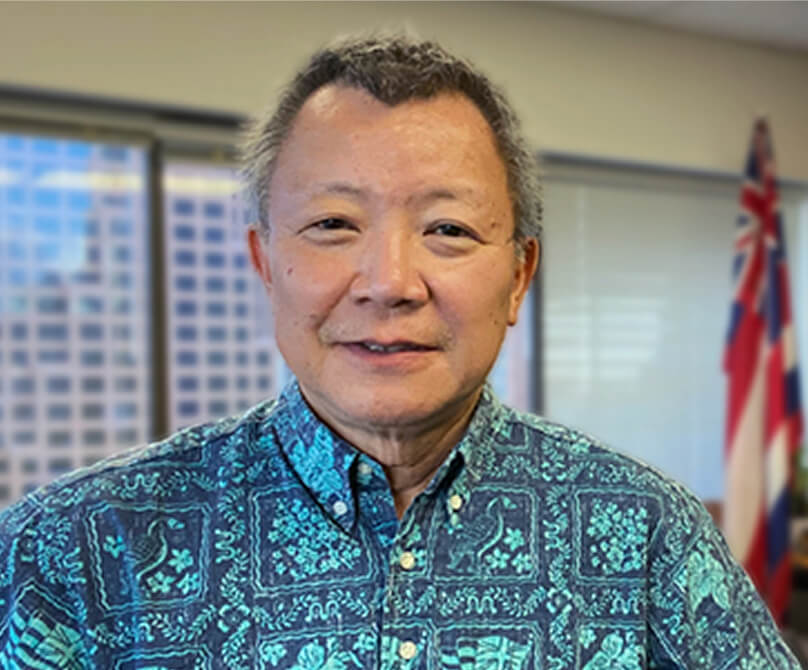
Alan Tang is the chairman, CEO and president of Olomana Loomis ISC, an award-winning integrated business consulting, brand and marketing firm based in Honolulu, Hawai‘i.
For more information, contact: alant@olomana.agency